
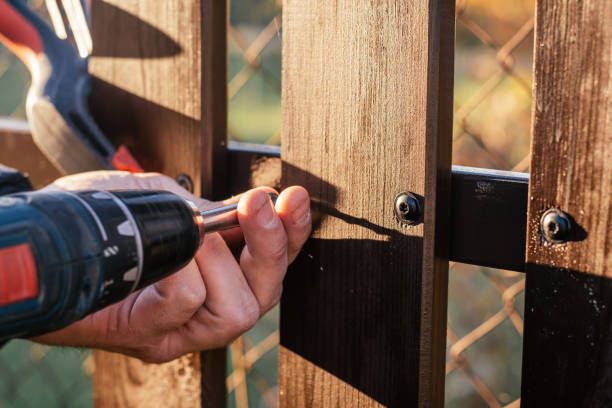
Choosing the right fence installation company is a critical step in ensuring that your fencing project meets both your functional needs and aesthetic preferences. With so many companies offering similar services, narrowing your options can seem overwhelming. By focusing on key factors such as experience, customer reviews, and services offered, you can make an informed decision. Below are guidelines to help you identify a reliable and professional fence installation partner.
Define Your Requirements
Before contacting any company, clearly outline what you need from your fence.
- What is the primary purpose of the fence?Is it for security, privacy, aesthetics, or marking property boundaries?
- What material do you prefer?Options include wood, vinyl, aluminum, chain link, or composite materials. Each has its own pros and cons in terms of durability, maintenance requirements, and cost.
- What is your budget?Understanding how much you’re willing to spend will help eliminate companies outside your price range.
Having clarity about these factors will allow you to communicate effectively with potential contractors.
Researching Local Companies
Start by researching fencing contractors in your area.
- Check online reviews and testimonials:Platforms like Google Reviews or Yelp provide valuable insights into customer experiences.
- Ask for recommendations:Friends, family members, or neighbors who have recently installed fences may be able to recommend reliable contractors.
- Look for local expertise:Companies familiar with regional climate conditions and local regulations are often better equipped to deliver quality results tailored to your area.
Key Questions to Ask Potential Contractors
- How long have they been in business?
- Can they provide references from past projects similar to yours?
- Are they insured and licensed?
- Do they offer warranties on materials and labor?
Their answers will give insight into their professionalism and reliability.
Evaluating Services Offered
Not all fencing companies offer the same array of services. Some may specialize in specific materials like wrought iron or vinyl but lack expertise in others such as wood or bamboo. Look for a contractor whose portfolio aligns with your project’s needs.
| Feature | Company A | Company B | Company C |
| Years of Experience | X years | X years | X years |
| Material Specialization | Vinyl/Wood | Aluminum/Chain Link | Composite/Vinyl |
| Warranty Provided | Yes (X years) | No | Yes (X years) |
| Customer Reviews | 4.5/5 | 3/5 | 4/5 |
Watch Out for Red Flags
- Unlicensed contractors who cannot verify their credentials.
- Extremely low bids that seem too good to be true (these may indicate subpar materials or workmanship).
- Poor communication or significant delays in providing quotes.
By taking the time to thoroughly vet potential fence installation companies using these steps, you’ll increase the likelihood of receiving quality service while avoiding common pitfalls associated with hiring unqualified contractors.
Finding the Right Fencing Contractor Gainesville FL: Choosing the Best Material for Your Fence
When planning to install a fence, one of the most critical steps is assessing your needs. Your choice of fencing should depend on its intended purpose, the materials best suited for your property, and your budget. Below are key considerations to help you make an informed decision.
Determining the Purpose of Your Fence
Understanding why you need a fence is essential in narrowing down your options.
- Security:Protecting your property from intruders or ensuring pets and children stay safe within the yard.
- Privacy:Creating a secluded space that shields your home from prying eyes or reduces outdoor noise.
- Aesthetic Appeal:Enhancing the curb appeal of your property with a decorative and visually appealing design.
- Property Boundaries:Clearly defining property lines to avoid disputes with neighbors or clarify ownership limits.
- Safety:Ensuring pool areas are secure or preventing wildlife from entering specific zones of your property.
By defining the purpose clearly, you can choose fencing materials and designs that align with your specific requirements.
Choosing the Right Material for Your Fence
The material you select will significantly impact durability, maintenance requirements, and overall cost.
| Material | Pros | Cons | Ideal For |
| Wood | Natural look; customizable; affordable | Susceptible to rot; requires upkeep | Privacy and aesthetic appeal |
| Vinyl | Low maintenance; weather-resistant | Higher initial cost | Long-lasting privacy or decorative fences |
| Chain Link | Affordable; durable; allows visibility | Lacks privacy; utilitarian appearance | Security without visual barriers |
| Aluminum | Rust-resistant; lightweight | Less sturdy than steel | Decorative accents around landscapes |
| Steel | Strong and secure | Expensive; may rust if not treated | High-security areas |
Each material has its advantages and disadvantages depending on factors such as climate conditions, maintenance capacity, budget constraints, and aesthetic preferences.
Factors to Consider Based on Location
- Urban Areas:Opt for fences that maximize privacy while adhering to local regulations. Materials like vinyl or wood are popular in residential neighborhoods.
- Rural Areas:Choose durable options like chain link or aluminum for large properties requiring minimal maintenance over time.
- Coastal Regions:Use corrosion-resistant materials like vinyl or aluminum to withstand moisture exposure from salt air.
Balancing Budget with Long-Term Value
While initial costs are essential to consider, it’s equally critical to evaluate long-term expenses such as maintenance, repair needs, and lifespan.
- A wood fence may have a lower upfront cost but could require more frequent staining or sealing over time.
- Vinyl fences come at a higher price initially but typically incur fewer maintenance costs in their lifespan.
By carefully assessing these aspects—purpose, material suitability, environmental conditions, location-specific demands—you can ensure that your investment meets both functional and aesthetic goals effectively.
Essential Tips for Fence Installation Gainesville FL Homeowners Should Know
Choosing the right fence installation company is a critical step in ensuring that your fencing project is successful. A well-installed fence not only enhances the aesthetics of your property but also improves functionality, privacy, and security. Below are the top factors to consider when researching fence installation companies.
Reputation and Reviews
A company’s reputation speaks volumes about the quality of its services.
– Check online reviews: Look for customer feedback on platforms like Google Reviews, Yelp, and social media. Pay attention to patterns (e. g. , consistently late work or exceptional professionalism).
– Ask for references: Request client references from the company. Contact these individuals to learn about their experience with the installer.
– Word-of-mouth recommendations: Speak with friends, neighbors, or colleagues who have recently undertaken similar projects.
Experience and Expertise
Fence installation requires both technical skills and knowledge of specific materials and site conditions.
– Years in business: Companies with a longer track record are often more reliable.
– Specialization: If you need a specific type of fence (e. g. , chain-link, vinyl, or wood), ensure the company has demonstrated experience with that material.
– Portfolio: Ask to see examples of previous work through photos or project descriptions.
Range of Services Offered
Not all fencing companies offer comprehensive services.
– Custom design capabilities for fences tailored to your property’s layout or aesthetic goals.
– Assistance with obtaining necessary permits or navigating local regulations (if applicable).
– Post-installation support such as repairs or maintenance guidance.
Pricing Transparency
Cost is an important consideration, but it should never outweigh quality and reliability.
| Aspect | Key Questions |
| Itemized Estimates | Does the company provide a detailed breakdown of labor, materials, equipment fees, etc.? |
| Hidden Costs | Are delivery charges or permit fees included upfront? Are there any potential surprise costs? |
| Payment Structure | Is there flexibility in payment plans? How much is required as a deposit? |
Avoid companies that offer unusually low bids without clear explanations; this could indicate subpar workmanship or materials.
Licensing and Insurance Coverage
Ensuring legal compliance protects you as a homeowner from liability during the project: – Verify that the company holds proper licenses required by your state or municipality. – Confirm liability insurance to cover property damage. – Check worker’s compensation coverage in case employees are injured while working on your property.
Customer Service and Communication
A strong working relationship is key to any successful project: 1. Evaluate responsiveness during initial inquiries—companies slow to respond might indicate poor overall service. 2. Assess their willingness to answer questions thoroughly about processes, timelines, and expectations. 3. Look for professionalism in every interaction—whether over email, phone calls, or face-to-face consultations.
By prioritizing these factors during your research process, you’ll be better equipped to select a reputable fencing contractor capable of meeting your needs effectively while ensuring value for money expended on this significant investment.

How to Ensure Quality Fence Repair Gainesville FL by Checking Licenses and Warranties
When hiring a fence installation company, ensuring the company’s legitimacy and reliability is one of the most critical steps. Verifying licenses, certifications, and warranties protects you as a property owner and ensures that your investment is handled professionally. Below we outline why these factors are important and how to evaluate them effectively.
Why Verifying Licenses Matters
A license demonstrates that the fence installer meets local and state requirements to perform their work legally and competently. Hiring an unlicensed contractor puts you at risk of substandard installation practices or potential fines if the work violates local regulations.
- Compliance with Local Laws: Many regions require contractors to hold specific licenses for construction projects, including fences.
- Insurance Coverage: Licensed contractors are more likely to carry liability insurance to protect against damages or accidents.
- Accountability: Licensing authorities often have mechanisms for addressing complaints or disputes.
When reviewing licenses: – Request a copy of the company’s license or check with your local licensing board. – Confirm that the license is current and valid in your jurisdiction.
The Role of Certifications in Quality Assurance
Certifications go beyond basic licensing requirements by demonstrating specialized expertise or training in fence installation techniques. While not always required, certifications can be a strong indicator of professionalism.
Key benefits of hiring certified installers include: – Advanced Skills: Certified professionals often undergo additional training on materials, tools, and modern installation methods.Manufacturer Partnerships: Many manufacturers certify installers who are trained to properly handle their products, which can lead to extended warranties on materials.
Look for certifications from industry organizations such as: | Certification Body | Significance | |———————————–|————————————————–| | American Fence Association (AFA) | Recognized standards in fencing expertise | | National Association of Home Builders (NAHB) | Advanced construction knowledge |
The Significance of Warranties
Warranties provide peace of mind by ensuring that any defects or issues after installation will be addressed by the contractor. Depending on the company, warranties may cover either labor or materials—or both.
When evaluating warranties: 1.Labor Warranty: Covers workmanship quality (e. g. , proper alignment or secure post placement). Ensure clarity on its duration—commonly 1–3 years. 2.Material Warranty: Covers defects in fencing materials such as warping, cracking, or rusting over time. Often offered directly by manufacturers.
Questions to ask about warranties: – What does the warranty specifically cover? – How long does it remain effective? – Are there any conditions that might void it?
By verifying licenses, certifications, and warranties before hiring an installer, you reduce potential risks while ensuring high-quality results for your fencing project. Always take time to request documentation upfront—it could save significant headaches down the line.
The Importance of Verifying Licenses, Certifications, and Warranties with a Fence Installer
When it comes to hiring a fence installation company, verifying licenses, certifications, and warranties is a critical step in ensuring the success and quality of your project. These elements not only protect you as a property owner but also serve as indicators of professionalism, reliability, and expertise in the fencing industry. Here’s why each aspect matters and what you should look for during the verification process.
Why Licenses Are Essential
Licenses demonstrate that the contractor meets state or local regulations for fence installation work. Licensed professionals are more likely to follow established standards and safety protocols. Moreover, working with an unlicensed contractor could lead to legal complications or subpar results.
When checking for licensing: – Verify the license number with your local licensing authority. – Ensure the license is current and applies specifically to fencing or construction work. – Confirm whether additional licenses are required for specific tasks like electrical work (e. g. , if your fence includes automated gates).
The Role of Certifications
Certifications indicate that the installer has undergone specialized training or has achieved recognition from professional organizations within the fencing or construction industry. Although not always mandatory, they can provide peace of mind regarding the installer’s competence in their field.
Key certifications to look for: – Certified Fence Professional (CFP):Recognized by trade organizations like the American Fence Association (AFA), this certification confirms extensive knowledge in fence installation practices.OSHA Safety Certification:This ensures that workers adhere to workplace safety standards. – Manufacturer-specific certifications: Some installers hold certifications from manufacturers, demonstrating expertise in working with certain materials (e. g. , vinyl or composite fences).
Evaluating Warranties
A reputable company will offer warranties covering both labor and materials. These warranties act as guarantees that any defects or issues within a specified timeframe will be resolved at no additional cost. Comprehensive warranties are especially important for fences exposed to harsh weather conditions over time.
When reviewing warranties: – Confirm coverage details: Does it include structural defects? Is paint finish covered? – Understand timeframes: Labor warranties often last 1–2 years; material warranties may extend up to 15 years depending on the product used. – Ask about exclusions: For example, many warranties do not cover damage caused by improper maintenance or external factors like storms.
| Aspect | What to Check | Why It Matters |
| Licensing | Verify validity and relevance | Ensures compliance with local regulations |
| Certifications | Look for CFPs or manufacturer endorsements | Confirms expertise and specialized knowledge |
| Warranties | Review terms & conditions; note exclusions | Protects against unexpected costs from defects |
Tips for Verification
To avoid potential pitfalls during your fence installation project: 1. Request proof of licenses and certifications upfront. 2. Cross-check information through official databases where possible. 3. Read warranty policies carefully before signing any contracts.
By taking these steps proactively, you can safeguard yourself against poor workmanship while ensuring long-term value from your investment in professional fencing services.
Ensuring Compliance with Building Codes, Permits, and Local Regulations for Fencing Projects
When planning a fencing project, ensuring compliance with building codes, permits, and local regulations is critical. Neglecting these considerations can lead to fines, legal issues, or even the removal of your fence. Below is a detailed guide to help homeowners and property managers navigate these requirements effectively.
Research Local Zoning Laws
Before beginning your fencing project, research the zoning laws in your area.
– Fence Height:Maximum height allowances may vary between front yards and backyards (e. g. , 3-4 feet for front yards, 6-8 feet for backyards).
– Placement:Restrictions on how close the fence can be to property lines, sidewalks, or streets.
– Material Restrictions:Some neighborhoods may prohibit certain materials (e. g. , chain-link fences in residential areas).
Contacting your local government office or visiting their website is a good starting point to understand these rules.
Securing Required Permits
Many municipalities require permits for fence installation projects.
1. A detailed site plan showing proposed fence placement relative to property boundaries and existing structures.
2. Information about the type of materials and design of the fence.
Applications are reviewed for compliance with building codes and zoning ordinances before approval is granted. Skipping this step can delay your project significantly or result in penalties later.
| Permit Considerations | Description |
| Cost | Permit fees vary by location but typically range from $50-$200 depending on the scope of work. |
| Processing Time | Approval timelines can range from a few days to several weeks depending on jurisdiction workloads. |
Understanding HOA Rules (If Applicable)
– Approved materials, styles, and colors may be outlined in HOA agreements. – Installation timelines might need pre-approval from HOA boards. Failing to adhere to HOA rules could result in fines or mandated adjustments post-installation.
- How to Choose the Best Fencing Contractor Gainesville FL for Your Fence Installation Timeline
- How to Choose the Best Fence Company Gainesville FL for Your Property
- How a Fence Company Gainesville FL Can Help Solve Common Fence Problems Homeowners Face
- How to Choose the Best Fencing Contractor Gainesville FL for Your Property
- Effective Solutions for Fence Issues with a Fencing Contractor Gainesville FL
- Expert Advice from a Fencing Contractor Gainesville FL on Repairing and Strengthening Your Fence
- Effective Fencing Repair Solutions from a Trusted Fence Company Gainesville FL
- Fence Repair Gainesville FL: Understanding How Long It Really Takes
- How to Choose the Best Fencing Contractor Gainesville FL for Your Residential or Commercial Project