
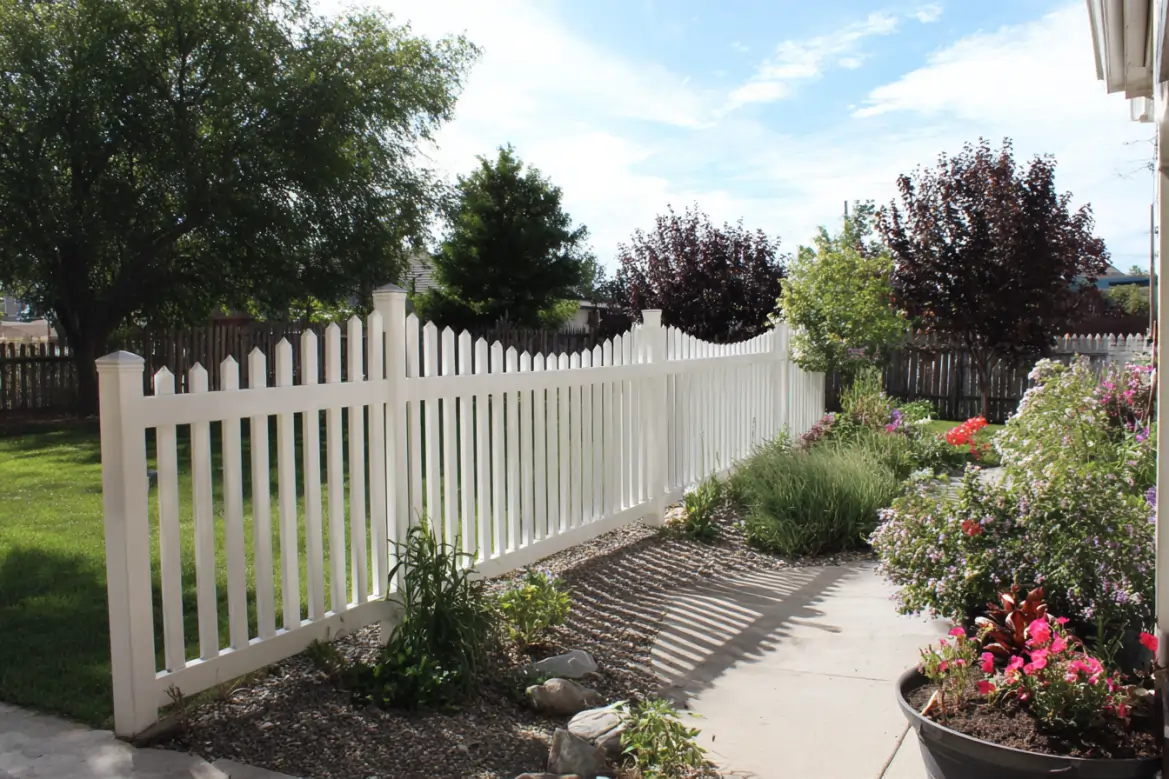
Installing a fence is a significant investment, and understanding the timeline involved can help homeowners better plan their project. The duration of a typical fence installation varies based on several factors, including the type of fencing materials used, property size, weather conditions, and site preparation requirements. On average, most residential fences can be installed within 1-3 days; however, larger or more complex projects may take longer.
Average Time Estimates for Fence Installation
| Fence Type | Approximate Installation Time | Notes |
| Chain-Link Fence | 1-2 Days | Minimal preparation required |
| Wooden Privacy Fence | 2-4 Days | May include staining or treatment |
| Vinyl Fence | 2-3 Days | Prefabricated panels speed process |
| Aluminum/Metal Fence | 2-4 Days | Precise alignment required |
| Ornamental Iron Fence | 3-5 Days or more | Custom designs can add time |
These timelines assume that all materials are readily available and there are no significant delays due to unforeseen issues.
Key Factors Impacting Installation Timeline
- Fence Materials
Different materials require different levels of labor and complexity to install. For example: - Chain-link fences are quicker to install due to their lightweight nature and simpler design.
- Wooden fences may require additional steps such as sealing, staining, or cutting custom pieces.
- Vinyl or composite materials often come in prefabricated panels that streamline installation but may take time if adjustments are needed.
- Property Size and Terrain
Larger properties naturally require more time to enclose than smaller ones. Uneven terrain, rocky soil, or heavily wooded areas also add complexity to the project by requiring additional leveling or clearing work. - Weather Conditions
Weather plays a crucial role in determining how quickly a fence can be installed: - Rainy conditions can delay digging post holes.
- Extremely cold weather may cause soil to freeze, making excavation difficult.
- Windy conditions might affect precise alignment for certain types of fences like picket or ornamental iron.
- Permits and Approvals
Before installation begins, obtaining approval from local municipalities or homeowners’ associations (HOAs) is often necessary. Delays in securing permits can push back start dates significantly. - Site Preparation Requirements
Pre-installation tasks such as clearing vegetation, removing old fencing, or marking utilities can extend timelines if not completed beforehand. Contractors often schedule these tasks separately from actual installation work. - Crew Size and Contractor Experience The size of the contractor’s team affects how quickly your project progresses:
- A well-staffed crew with experienced workers will complete installations faster.
- Less experienced teams may require extra time for adjustments or corrections during the process.
Tips for Reducing Installation Delays
- Confirm that all required permits have been secured before work begins.
- Ensure clear communication with your contractor regarding property boundaries and design preferences.
- Prepare the installation site by clearing debris or obstructions ahead of time.
- Schedule installations during favorable weather seasons whenever possible.
- Choose reliable contractors with proven experience in handling similar projects efficiently.
By understanding these variables and working closely with your chosen contractor, you’ll be better equipped to estimate realistic timelines for installing your fence while avoiding potential setbacks along the way.
Key Red Flags to Watch for When Researching Fence Installation Gainesville FL Companies
When selecting a fencing company, it is crucial to conduct thorough research to ensure you are working with a reliable and professional contractor.
Identifying potential red flags early in the process can save you time, money, and unnecessary stress. Below is a guide to help you spot key warning signs when evaluating fence companies.
Lack of Licensing and Insurance
A reputable fencing company should hold the necessary licenses and carry liability insurance. If a company cannot provide proof of these credentials, it’s a significant red flag. Without insurance, you could be held liable for accidents or damages that occur during the project.
What to Check:
– Verify licensing with your state’s regulatory agency.
– Request proof of general liability and worker’s compensation insurance.
Poor or Nonexistent Online Presence
In today’s business environment, most legitimate companies will have an online presence that includes a professional website or active social media profiles showcasing their work. If there are no reviews, contact information, or examples of past projects available online, proceed cautiously.
Red Flags in This Area:
– A website with no physical address or contact details.
– Numerous negative reviews on platforms like Google, Yelp, or Better Business Bureau (BBB).
– No updated portfolio or images of completed projects.
No Written Contracts or Vague Estimates
Transparent communication is critical when hiring any contractor. A trustworthy fencing company will provide clear written contracts outlining costs, timelines, materials, warranties, and contingencies for delays.
Key Issues to Look For:
– The absence of written agreements—avoid verbal commitments only.
– Unclear cost breakdowns that leave room for unexpected charges.
– “Too good to be true” estimates are significantly lower than competitors.
| Element | What You Should Expect from Reputable Contractors | Red Flag Signs |
| Estimate | Detailed pricing and itemization | Ambiguous numbers with no breakdown |
| Warranty Terms | Written warranty on materials/labor | No mention of warranties provided |
| Payment Schedule | Clear milestones tied to project progress | Full payment requested upfront |
High Pressure Sales Tactics
Beware of companies that use high-pressure sales tactics to push you into signing contracts immediately without sufficient time for comparison shopping or reviewing terms.
Examples Include:
– Offering one-day-only discounts if you sign immediately.
– Overemphasizing urgency without clear reasoning (e.g., claiming prices will rise tomorrow).
Professional contractors respect clients’ decision-making processes and allow adequate time for review before finalizing agreements.
Lack of Experience or References
Experience matters when it comes to fence installation projects. An established company should have references from previous clients who can vouch for their quality of work.
Questions You Should Ask:
1. How many years have you been in business?
2. Can you provide at least three references from recent fencing projects?
3. Do you have any certifications specific to fence installation?
If a company hesitates to provide references or struggles to demonstrate relevant experience with your type of project (e.g., wood fences vs vinyl fences), this could indicate they lack the necessary expertise.
Inconsistent Communication Practices
Be cautious if:
– They take too long to respond to inquiries via phone/email. – Project timelines are vague during discussions. – Representatives seem dismissive when addressing your concerns/questions.
Contractors who fail at proper communication early on may struggle further once the job begins.
By being vigilant about these issues during your search process: you’ll increase chances hiring reliable professionals delivering quality results
Important Questions to Ask Before Starting Fence Repair Gainesville FL Projects
Embarking on a fencing project involves careful planning and communication with your contractor. Asking the right questions is critical to ensure the project meets your expectations, remains within budget, and avoids potential pitfalls. Here’s a guide to essential questions you should address before work begins.
https://gainesvillefencingprousfl.blogspot.com/2026/03/fence-company-gainesville-fl.html
1. What Type of Fence Is Best for My Needs?
Different properties have different fencing requirements. Discuss your goals with the contractor to determine what type of fence is ideal for you:
– Privacy Fences: For homeowners seeking privacy or noise reduction.
– Decorative Fences: Enhance curb appeal without blocking views.
– Security Fences: Designed for durability and added safety.
– Pet Fences: Keeps pets secure while allowing visibility.
Understanding which option fits your property can save time and ensure satisfaction.
2. Are You Licensed, Insured, and Bonded?
Verifying a contractor’s credentials protects you from legal or financial risks in case of accidents or issues during the installation process. Ensure they provide evidence for:
– Licensing: Verify local or state licensing requirements have been met.
– Insurance: Liability insurance covers damages; worker’s compensation protects against job injuries. – Bonding: Offers protection if contractual obligations aren’t fulfilled.
3. What Is Included in the Estimate?
Ask for a detailed, itemized estimate before any work begins. This should include costs for materials, labor, permits, and any additional fees such as debris removal or adjustments to existing landscaping.
| Component | Details To Verify |
| Materials | Type, durability, and aesthetic options |
| Labor Costs | Estimated hours and worker rates |
| Permits/Approvals | Associated costs (e.g., HOA approvals) |
| Site Preparation | Any extra charge for clearing debris/obstacles |
4. How Long Will Installation Take?
Timeline transparency ensures proper planning on your end: – Ask about factors that may delay the project (weather conditions, supply chain issues).
– Inquire whether multiple workers will be assigned to speed up progress.
5. What Warranties Do You Offer?
A robust warranty guarantees peace of mind about both materials and workmanship quality: – Material warranties from manufacturers typically cover defects over several years. – Workmanship warranties protect against installation errors.
Ensure written documentation is provided for both warranties.
6. How Do You Handle Utilities and Property Lines?
Confirming these logistical details minimizes future disputes: – Utility Marking: Contractors should notify utility companies to mark underground lines prior to digging. – Property Lines Verification: It’s important contractors confirm boundary lines using surveys or local records before starting work.
7. What Maintenance Will My Fence Require?
Some fences need routine upkeep to maintain their structural integrity and appearance: – Wood fences often require sealing or staining every few years. – Vinyl fences are low-maintenance but may need occasional cleaning. – Metal fences (e.g., aluminum) might need rust prevention treatments over time.
Discuss maintenance instructions specific to your chosen fence material so you’re prepared long-term.
Final Thoughts
Asking these essential questions not only helps clarify project details but also ensures transparency between you and your contractor. Open communication fosters trust while safeguarding against misunderstandings during one of the most significant home improvement projects you’ll undertake — installing a fence tailored perfectly to your needs.
Essential Questions to Ask Your Contractor Before Starting a Fencing Project
1. What Is Included in the Estimate?
- Materials (e.g., wood, vinyl, metal)
- Labor costs
- Permits and approvals
- Cleanup and waste removal
- Additional charges (e.g., for custom designs or unforeseen site conditions)
A transparent breakdown will help you budget effectively and compare bids from multiple contractors.
2. Are You Licensed, Insured, and Bonded?
- A valid business license
- General liability insurance to cover property damage
- Workers’ compensation insurance for employee injuries
- Bonding to protect against incomplete or substandard work
Request copies of documentation for your records.
3. How Long Will the Project Take?
The timeline for fencing projects can vary depending on factors like fence type, property size, and weather conditions. Ask your contractor to provide an estimated start date, duration of work, and potential delays.
| Task | Estimated Timeframe |
| Permit acquisition | 1–2 weeks |
| Material delivery | 3–5 days |
| Site preparation | 1–2 days |
| Fence installation | 2–4 days (depending on size) |
Discuss how unforeseen issues might affect the schedule.
4. Will You Handle Permits and Approvals?
Installing a fence often requires permits or approvals from local authorities or homeowners’ associations (HOAs). Confirm whether the contractor will handle these processes or if it falls under your responsibility. If they manage it, ask if permit fees are included in the estimate.
5. What Type of Warranty Do You Offer?
- Duration of coverage (e.g., one year vs lifetime warranties)
- Specific exclusions (e.g., weather damage or misuse)
- Process for filing claims
Having clear warranty terms can save you time and money if problems arise in the future.
6. How Do You Handle Property Lines?
- Verify property lines using surveys or plats
- Communicate any encroachments with neighbors
- Follow local zoning regulations regarding setback distances
Being proactive about property lines helps prevent legal disputes post-installation.
7. What Is Your Policy on Utilities?
- The contractor coordinates with utility companies to mark lines
- There are additional fees for this service
This step ensures compliance with “Call Before You Dig” regulations in your area.
Final Thoughts
By asking these critical questions upfront, you can establish clear expectations with your fencing contractor while minimizing issues during installation. A professional approach will help ensure your project stays on track and within budget while providing peace of mind about quality and compliance.
How Does Fence Type Impact Installation Time and Costs?
When planning a fencing project, the type of fence you choose significantly influences both the installation timeline and overall costs. Each fence type comes with unique materials, construction methods, and maintenance requirements, all of which can affect how long it takes to complete the project and how much it will cost.
Factors That Affect Installation Time by Fence Type
- Timeline: Wooden fences generally take longer to install due to the need for precise cutting, sealing, and finishing. On average, installation can take 3-5 days depending on the size of the project and weather conditions.
- Considerations: Pre-staining or painting wood panels before installation may add time upfront but reduces long-term maintenance.
- Timeline: Vinyl fences are often faster to install compared to wood because they come as pre-manufactured panels that easily fit together. Installation typically takes 1-3 days.
- Considerations: While quick to install, vinyl requires careful alignment for a professional finish.
- Timeline: Chain link fences are relatively quick to install due to their lightweight nature and simple design. Most projects are completed within 1-2 days for residential properties.
- Considerations: Adding privacy slats or custom features may extend installation time slightly.
- Timeline: These types of fences require more precise placement due to their heavier weight and rigid structure. Installation generally takes about 2-4 days depending on site conditions.
- Considerations: Special tools may be required for cutting metal panels or posts.
Cost Implications by Fence Type
| Fence Type | Average Material Costs (per linear foot) | Labor Costs (per linear foot) | Total Cost (per linear foot) |
| Wood | $10-$30 | $8-$15 | $18-$45 |
| Vinyl | $20-$40 | $5-$10 | $25-$50 |
| Chain Link | $8-$20 | $7-$12 | $15-$32 |
| Aluminum/Steel | $25-$60 | $10-$20 | $35-$80 |
Key Considerations When Choosing a Fence Type
- Budget Constraints: Chain link remains one of the most affordable choices but offers limited aesthetic appeal compared to wood or vinyl.
- Maintenance Needs: Vinyl and metal fences require less maintenance than wood but may have higher upfront costs.
- Property Functionality: For privacy-focused projects, wooden or vinyl fences are ideal; for security purposes, metal options work best.
By carefully evaluating these factors alongside your property’s specific requirements, you can make an informed decision about the best fence type that aligns with your timeline and budget expectations. Understanding these impacts ensures smooth planning while minimizing unexpected delays or costs in your fencing project.
Will Contractors Handle Utilities, Property Lines, and Other Legal Aspects of Fencing?
When planning a fencing project, addressing legal and logistical aspects is a critical step. Professional fencing contractors often assist with such requirements, but understanding their responsibilities can help ensure a smoother process. Below is an overview of how contractors typically handle utilities, property lines, and other legal considerations.
Utilities: Locating and Avoiding Underground Lines
- Contact Local Utility Companies: Contractors typically coordinate with utility providers by calling the local “Call Before You Dig” or 811 service.
- Mark Utility Lines: Once contacted, utility companies send professionals to mark underground lines with flags or paint.
- Plan Around Obstacles: Contractors adjust fence placement or digging methods to avoid utility lines.
Failing to address this step can lead to fines or service disruptions. It’s worth confirming with your contractor that this task will be handled before construction begins.
Property Lines: Ensuring Accurate Placement
- Verify Boundary Markers: Reliable companies ask for surveys or existing documentation that clearly defines your property boundaries.
- Consult With Surveyors: If no survey exists or if boundaries are unclear, they may recommend hiring a licensed surveyor.
- Obtain Neighbor Consent (If Required): In some cases—such as shared fences—contractors may suggest discussing plans with adjacent property owners.
Property line accuracy is crucial not only for avoiding conflicts but also for complying with local zoning regulations.
Permits and Zoning Compliance
- Research Local Regulations: Contractors often check height restrictions, set-back requirements, and material limitations imposed by municipalities.
- Secure Permits: A trustworthy fencing company usually applies for permits on behalf of the homeowner if needed.
- Compliance With Homeowners’ Associations (HOAs): In HOA-regulated communities, contractors can help navigate approval processes by providing necessary plans and documentation.
If your contractor does not offer this service directly, they should at least guide you through the steps required to meet legal obligations.
Neighbor Relations: An Overlooked Aspect
- Inform neighbors about the construction schedule ahead of time to minimize disruptions.
- Clarify whether shared fences will impact costs or maintenance agreements.
- Respect noise restrictions during installation hours.
A professional contractor may offer advice on how best to approach these conversations.
Pro Tips When Hiring a Contractor
| Checklist | Details |
| Confirm Services | Ask if the contractor handles utilities marking and permits directly. |
| Verify Experience | Choose a contractor familiar with local regulations in your area. |
| Review Contracts | Ensure contracts include clauses addressing compliance responsibilities. |
By choosing an experienced contractor who takes care of these critical elements upfront, you can avoid delays—and potential legal issues—down the road while ensuring your fence installation meets all necessary requirements.
Fencing vs Retaining Walls: Choosing the Best Option with a Fence Company Gainesville FL
When it comes to defining property boundaries, both fencing and retaining walls serve important but distinct purposes. Deciding between the two depends on several factors, including functionality, aesthetic preferences, budget, and the specific needs of your property. Below is a detailed breakdown to help you make an informed decision.
Understanding the Purpose of Fencing and Retaining Walls
- Primarily used for privacy, security, and aesthetic enhancement of a property.
- Acts as a barrier to keep animals or intruders out while clearly marking property lines.
- Comes in a variety of materials such as wood, vinyl, aluminum, chain link, or composite options.
- Designed to hold back soil and prevent erosion on sloped properties.
- Helps create flat spaces for landscaping or construction purposes.
- Often built with materials like concrete blocks, stone, timber, or brick for durability.
Comparing Fencing and Retaining Walls
| Feature | Fencing | Retaining Walls |
| Primary Function | Privacy, security & boundary marking | Erosion control & structural support |
| Installation Cost | Typically lower | Higher due to material & labor costs |
| Aesthetic Options | Wide variety | Limited by materials |
| Durability | Moderate (depends on material) | High (especially with concrete) |
| Maintenance Needs | Periodic painting or repairs | Minimal maintenance required |
Factors to Consider When Choosing Between Fencing and Retaining Walls
- If your property is flat and only requires boundary definition or privacy enhancement, fencing is likely sufficient.
- For properties with steep slopes or significant changes in elevation, retaining walls are essential to stabilize soil.
- Fences generally cost less upfront than retaining walls. However, high-end fence materials like wrought iron can be more expensive than basic retaining wall structures.
- Factor in long-term maintenance costs; fences may require more routine upkeep compared to retaining walls.
- Check local building codes before installing either option.
- Retaining walls beyond specific heights may require engineering approval or permits due to safety concerns.
- Fences offer more options for style customization (e.g., picket fences for charm vs modern horizontal slats).
- Retaining walls provide a clean and functional look but are limited when it comes to design flexibility.
- Wooden fences may require treated lumber that raises environmental concerns.
- Retaining walls can mitigate issues like stormwater runoff but need careful design to avoid long-term drainage problems.
When You Might Need Both
In some cases, both fencing and retaining walls are necessary:
– A sloped property might benefit from a retaining wall at its base while adding a fence atop it for privacy and safety. – For tiered gardens or multi-level landscape designs where both structural support and boundary demarcation are essential.
By carefully evaluating the specific needs of your property alongside local regulations and budget constraints, you can choose the ideal solution that balances form and function effectively for your outdoor space.
- How to Choose the Best Fencing Contractor Gainesville FL for Your Fence Installation Timeline
- How to Choose the Best Fence Company Gainesville FL for Your Property
- How a Fence Company Gainesville FL Can Help Solve Common Fence Problems Homeowners Face
- How to Choose the Best Fencing Contractor Gainesville FL for Your Property
- Effective Solutions for Fence Issues with a Fencing Contractor Gainesville FL
- Expert Advice from a Fencing Contractor Gainesville FL on Repairing and Strengthening Your Fence
- Effective Fencing Repair Solutions from a Trusted Fence Company Gainesville FL
- Fence Repair Gainesville FL: Understanding How Long It Really Takes
- How to Choose the Best Fencing Contractor Gainesville FL for Your Residential or Commercial Project