

Selecting the right fence installation company is a critical decision that can significantly impact the appearance, security, and value of your property. With numerous companies offering similar services, knowing what to prioritize can help ensure you make an informed choice. Below are some key factors and steps to guide you through the process.
1. Assess Your Specific Needs
Before reaching out to any company, it is important to define your requirements:
– Purpose of the Fence: Are you installing a fence for privacy, security, aesthetics, or property boundary marking?
– Material Preferences: Options include wood, vinyl, aluminum, chain link, wrought iron, and composite materials. Each comes with its unique advantages and maintenance requirements.
– Budget: Determine how much you’re willing to spend on materials and installation services.
Knowing these details in advance will help narrow down companies that specialize in meeting your specific needs.
2. Research Local Companies
Start by exploring fencing companies that operate in your region. This is advantageous because local installers are familiar with climate-related challenges and zoning regulations in your area. Use the following approaches to find potential candidates:
– Online Directories: Websites like Yelp or Angi often feature customer reviews for local service providers.
– Recommendations: Ask friends, neighbors, or family members who have previously installed fences about their experiences with certain companies.
3. Verify Credentials & Experience
Ensure that the fencing contractor you consider is properly licensed and insured. Look for these key credentials:
– A valid business license operating within your state or region. – General liability insurance to protect against damages during installation. – Workers’ compensation coverage if employees are involved on-site.
Additionally, evaluate the company’s experience by asking questions such as: – How long have they been installing fences? – Do they specialize in specific types of fencing (e.g., residential vs commercial)? – Can they share examples of past projects?
4. Request Multiple Estimates
Obtaining detailed written estimates from at least three companies allows for transparent cost comparisons without hidden fees or surprises later on. Each estimate should include information such as: | Item | Description | |————————–|—————————————-| | Materials | Type, quantity, and quality of materials being used | | Labor Costs | Estimated hours involved in installation | | Permits | Fees for obtaining necessary permits | | Cleanup Costs | Expenses for debris removal after installation |
Compare estimates carefully while keeping in mind that the cheapest option may not always offer high-quality service.
5. Read Reviews & Testimonials
Online reviews can provide insight into what others have experienced with a particular fencing contractor: – Look at patterns rather than isolated complaints; consistent negative feedback could indicate poor service. – Check reviews on trustworthy platforms like Google Reviews or Better Business Bureau (BBB).
For additional assurance, ask each company for references from previous clients whose projects were similar in scope.
6. Evaluate Customer Service
How a company communicates during initial consultations speaks volumes about its professionalism: – Are they responsive to inquiries?
– Do they seem knowledgeable about zoning laws and HOA guidelines?
– Are they willing to answer all questions regarding schedules or warranties?
A reliable contractor will provide clear timelines while being transparent about potential delays due to weather or other unforeseen circumstances.
7. Review Warranties & Contracts
Ensure all aspects of the project are outlined in writing before agreeing to proceed: 1. Warranty Terms – Does the company offer guarantees on both workmanship and materials? 2. Payment Schedule – Establish clear terms regarding deposit amounts versus final payment after completion. 3. Start/Completion Dates – Define realistic deadlines so expectations align between both parties.
By following these steps thoughtfully when choosing a fence installation company tailored specifically toward enhancing functionality/security/aesthetic goals ensures smoother project execution across diverse outdoor spaces
Key Factors to Consider for Fence Installation Gainesville FL
Essential Tips for Fence Repair Gainesville FL: Understanding Zoning Laws and Regulations
Before making any decisions, research local zoning laws and homeowners’ association (HOA) guidelines. These regulations often dictate the height, material, design, and placement of fences. Violating these rules could lead to fines or even the removal of your fence.
- Height Restrictions: Many areas restrict front yard fences to 3–4 feet for visibility and safety purposes.
- Material Limitations: Some neighborhoods prohibit certain materials like chain-link or barbed wire in the front yard.
- Permits: Confirm whether you need a permit for fence installation. Most municipalities require permits to ensure compliance with building codes.
Purpose of Your Front Yard Fence
Identify why you want a front yard fence. This will guide your choice of materials, height, and style.
- Privacy: Opt for taller fences made from solid materials such as wood or vinyl if blocking visibility is important.
- Security: Metal or wrought iron fences provide an additional layer of security without obstructing the view.
- Aesthetic Appeal: Decorative designs using picket fences or ornamental wrought iron can boost curb appeal while maintaining openness.
- Pet Containment: If keeping pets safe is a priority, consider sturdy materials with minimal gaps.
Choose the Right Material
| Material | Pros | Cons |
| Wood | Natural look, customizable | Requires regular maintenance |
| Vinyl | Low-maintenance, weather-resistant | Higher upfront cost |
| Wrought Iron | Elegant and durable | Susceptible to rust without care |
| Aluminum | Lightweight yet strong | Less privacy compared to solid options |
| Chain-Link | Affordable | Lacks visual appeal |
Each material has unique benefits; select one that balances functionality with style.
Design Harmony with Your Home’s Architecture
Your front yard fence should complement the overall aesthetic of your property. A modern home may pair well with sleek aluminum or horizontal wood panels, while a classic cottage might suit white picket fencing.
Consider these design tips: – Match the paint color of your fence to trim details on your house. – Blend landscaping elements around the fence for seamless integration. – Avoid overly ornate designs if they clash with minimalist architecture.
Budget Planning
- Evaluate material costs for upfront affordability vs long-term maintenance expenses.
- Factor in labor charges if hiring professionals.
- Allocate funds for permits and unexpected adjustments during construction.
Planning thoughtfully before installing a front yard fence not only ensures its functionality but also enhances your property’s overall value and appeal while adhering to community standards.
Important Considerations for Installing Fencing in Your Front Yard
Installing a fence in your front yard is a practical way to enhance privacy, improve curb appeal, and define property lines. However, before moving forward with the installation process, there are several important factors to consider to ensure your project is successful, compliant with local regulations, and tailored to your needs.
1. Understand Local Zoning Laws and Regulations
Before installing any fencing on your front yard, it is essential to review local zoning laws and homeowner association (HOA) guidelines. Here are key points to consider:
– Fence Height Restrictions: Many municipalities have specific rules governing the maximum height of front yard fences, often limiting them to 3-4 feet for visibility and safety purposes.
– Permits: Some regions may require a permit before you begin installation. Check with your local building department for details.
– Setback Requirements: There may be restrictions on how far the fence needs to be from sidewalks or streets.
Failing to comply with these regulations can result in fines or the need to remove the structure entirely.
2. Define the Purpose of Your Fence
Understanding the primary purpose of your fence will help you choose the right materials, design, and layout. Common reasons for installing front yard fences include:
– Aesthetic Appeal: To improve the overall look of your property’s exterior.
– Security: To deter trespassers or unwanted visitors from entering your property.
– Safety: To create a safer environment for pets or young children by preventing them from running into busy streets.
Depending on your goals, you might prioritize features like durability, decorative elements, or ease of maintenance.
3. Choose Durable Materials
| Material | Pros | Cons |
| Wood | Classic aesthetic; customizable | Requires regular maintenance |
| Vinyl | Low-maintenance; weather-resistant | Higher upfront cost |
| Aluminum | Lightweight; rust-resistant | May lack privacy |
| Wrought Iron | Highly durable; elegant look | Expensive; prone to rust without care |
| Chain Link | Affordable; easy installation | Minimal aesthetic appeal |
Consider factors such as climate conditions in your area when making this decision.
4. Plan for Landscaping Integration
The placement and style of your fence should complement existing landscaping features rather than compete with them. Think about how shrubs, flowers, or trees near your front yard will interact with the new structure:
– Leave adequate space between plants and fencing material for growth and maintenance access. – Opt for designs that allow sunlight through if you have plants that rely on direct light. – Incorporate climbing plants or vines into the design if you prefer a natural aesthetic around the fence.
Proper planning ensures that both elements coexist harmoniously while enhancing curb appeal.
5. Factor in Maintenance Requirements
Some fence styles demand more upkeep than others depending on their material and exposure to weather conditions over time: – Wood fences require periodic sealing or staining to prevent rot. – Metal fences may need rust treatment or repainting occasionally. – Vinyl fences are considered low-maintenance but should still be cleaned periodically with water and mild soap.
Evaluate whether you’re willing to commit time and resources necessary for maintaining certain types of materials before finalizing your choice.
6. Budget Wisely
Finally, establish a clear budget for all aspects of your project—from purchasing materials to labor costs if hiring professionals for installation work: 1. Get quotes from multiple vendors/installers. 2. Account for potential additional costs like permits or boundary surveys. 3. Avoid compromising quality solely based on price—investing wisely upfront can save money long-term by reducing repair/replacement needs later.
Proper budgeting ensures that you achieve a high-quality outcome without exceeding financial constraints while adding lasting value to your home’s exterior spaces.
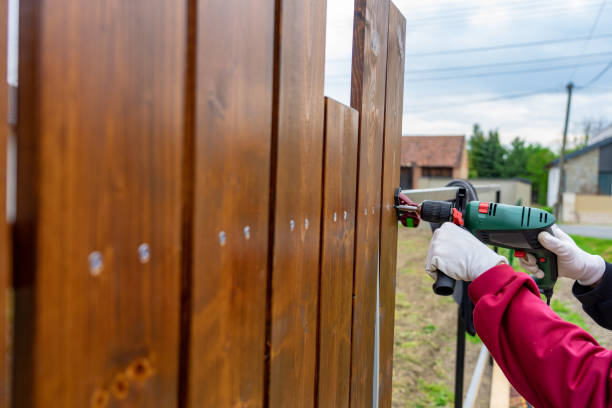
Finding the Best Fence Company Gainesville FL for Your Backyard Installation
Choosing the right time to install a backyard fence is essential to ensure efficiency, longevity, and cost-effectiveness. Several factors, including weather conditions, soil considerations, scheduling, and your overall property goals, should guide this decision. Below are key aspects to evaluate when determining the best time for fence installation.
Factors Influencing the Timing of Fence Installation
- Weather Conditions
The climate plays a significant role in the ease and success of fence installation. - Spring and Early Fall: These seasons are often considered ideal due to moderate temperatures and soil that is neither frozen nor overly dry. This makes digging post holes simpler and ensures better stability for fence posts.
- Summer: While summer provides consistent dry weather, extreme heat can make labor-intensive tasks more challenging for contractors or DIY installers.
- Winter: Installing during winter may be possible in regions with mild climates, but frozen ground can delay progress in colder areas.
- Soil Preparedness
Before installing a fence, consider your soil’s condition: - Loose or damp soil (common in spring) is easier to work with as it allows easier digging and better post stabilization.
- Avoid periods following heavy rainfall since excessively saturated soil may not provide adequate support for posts.
- Landscaping Plans
If you are undertaking landscaping projects such as planting gardens or laying down sod, it’s important to plan these activities around your fencing timeline: - Install fences first if they will act as boundaries or trellises for landscaping features.
- Coordinate timing with landscape designers if fencing impacts irrigation systems or plant layouts.
- Availability of Contractors
Professional fencing contractors often experience peak demand during warmer months like late spring and summer. Booking early ensures that you secure an experienced team at a time that works best for you. - Budget Considerations
Off-peak seasons like late fall or winter tend to have lower labor costs due to reduced demand for installation services. If saving money is a priority, consider scheduling during less busy seasons when discounts may be available.
Seasonal Pros & Cons Table
| Season | Pros | Cons |
| Spring | Ideal soil conditions; moderate temperatures | Higher contractor demand; potential rain delays |
| Summer | Long daylight hours; consistent weather | Extreme heat; higher labor costs |
| Fall | Cooler temperatures; flexible contractor schedules | Limited time before freezing begins |
| Winter | Potential off-season discounts | Frozen ground; weather unpredictability |
Signs It’s Time to Install a Backyard Fence
In addition to seasonal considerations, certain circumstances might indicate urgency in installing a backyard fence:
– You recently moved into a property without clear boundary markers. – Pets or children need a secure outdoor space. – Privacy concerns arise due to nearby development or changes in your neighborhood. – Existing fences show signs of wear such as leaning posts or broken panels.
Pro Tips for Timely Fence Installation
- Plan Ahead: Start researching contractors or materials well before your desired installation period—especially during peak seasons.
- Inspect Property Lines: Confirm legal property boundaries with local authorities before beginning any work on your yard.
- Choose Appropriate Materials: Some materials fare better than others depending on climate; wood fences may require finishing treatments if installed during wetter months.
By carefully assessing these factors and planning ahead, you can determine the optimal time frame that aligns with your budget and needs while ensuring durability and quality results for your new backyard fence.
Creative and Smart Ways to Use Fencing to Enhance Your Property
Fencing is not just a functional feature for your property—it can also serve as a design element that boosts curb appeal, enhances privacy, and provides unique opportunities for creativity. By thinking beyond the traditional and incorporating thoughtful designs, materials, and placements, you can transform your fencing from a simple barrier into an integral part of your outdoor space. Below are some creative and smart ways to use fencing to enhance your property.
1. Combine Functionality with Aesthetic Appeal
Fences don’t have to be purely utilitarian. Blending form and function can result in a structure that serves multiple purposes:
– Decorative panels: Incorporate laser-cut metal or artistic wood panels into your fence design for a modern touch.
– Mixed materials: Combine wood with metal or stone accents to create a layered, visually appealing fence.
– Color customization: Use bold or neutral hues for the fence to either make it stand out as a statement piece or blend seamlessly with the rest of the landscape.
2. Create Outdoor “Rooms”
Fencing can divide outdoor areas into specific zones, creating designated spaces without requiring walls or heavy construction:
– Dining areas: Use partial fences like horizontal slats to enclose an al fresco dining area while maintaining an open feel.
– Gardens: Enclose flower beds or vegetable gardens with low decorative fences for both protection and visual separation.
– Play zones: Separate play areas for children with colorful, shorter fences designed to enhance safety without obstructing views.
3. Add Greenery and Vertical Gardens
Fences provide an excellent base for incorporating greenery into your outdoor design:
– Climbing plants such as ivy, jasmine, or roses can be grown along wooden or trellis-style fences. Over time, they create vibrant green walls that add both privacy and beauty.
– Install planter boxes directly onto the fence for growing herbs, flowers, or succulents vertically—a great way to maximize limited yard space. – Consider using modular fencing systems designed specifically for vertical gardening.
| Plant Suggestions | Ideal Fencing Material | Maintenance Level |
| Ivy | Wood/Trellis | Moderate |
| Jasmine | Trellis/Metal | Low |
| Succulents | Planter Boxes | Low |
4. Incorporate Lighting Features into Fencing Design
- Attach solar-powered lights along posts or panels for energy-efficient illumination during nighttime hours.
- Add string lights above low fences in patio areas for soft lighting that enhances evening gatherings.
- Use LED strips embedded in modern metal fences to give them a sleek glow after sunset.
5. Privacy Screens with Unique Patterns
For urban properties where privacy is essential yet space is limited, opt for fencing designs that double as privacy screens: – Horizontal slat designs allow airflow while obstructing direct views from neighbors. – Perforated metal sheets with geometric patterns act as stylish partitions. – Frosted glass panels inserted within wood frames provide privacy without sacrificing light.
6. Statement Entrances
A creatively-designed gate paired with complementary fencing makes an impactful first impression on visitors: – Enhance entryways using wrought iron gates featuring intricate curves or scrollwork. – Wooden gates integrated into picket-style fencing can evoke rustic charm while remaining functional. – Incorporate arches over gates adorned with vines or fairy lights for added character.
By combining practicality with creativity in these ways, you not only protect your property but also enhance its overall aesthetic value—making it more enjoyable while increasing curb appeal simultaneously.
- How to Choose the Best Fencing Contractor Gainesville FL for Your Fence Installation Timeline
- How to Choose the Best Fence Company Gainesville FL for Your Property
- How a Fence Company Gainesville FL Can Help Solve Common Fence Problems Homeowners Face
- How to Choose the Best Fencing Contractor Gainesville FL for Your Property
- Effective Solutions for Fence Issues with a Fencing Contractor Gainesville FL
- Expert Advice from a Fencing Contractor Gainesville FL on Repairing and Strengthening Your Fence
- Effective Fencing Repair Solutions from a Trusted Fence Company Gainesville FL
- Fence Repair Gainesville FL: Understanding How Long It Really Takes
- How to Choose the Best Fencing Contractor Gainesville FL for Your Residential or Commercial Project